Why Preventive Visits to a General Dentist Matter
@josuegfkl989
October 20, 2026 · 15 min read

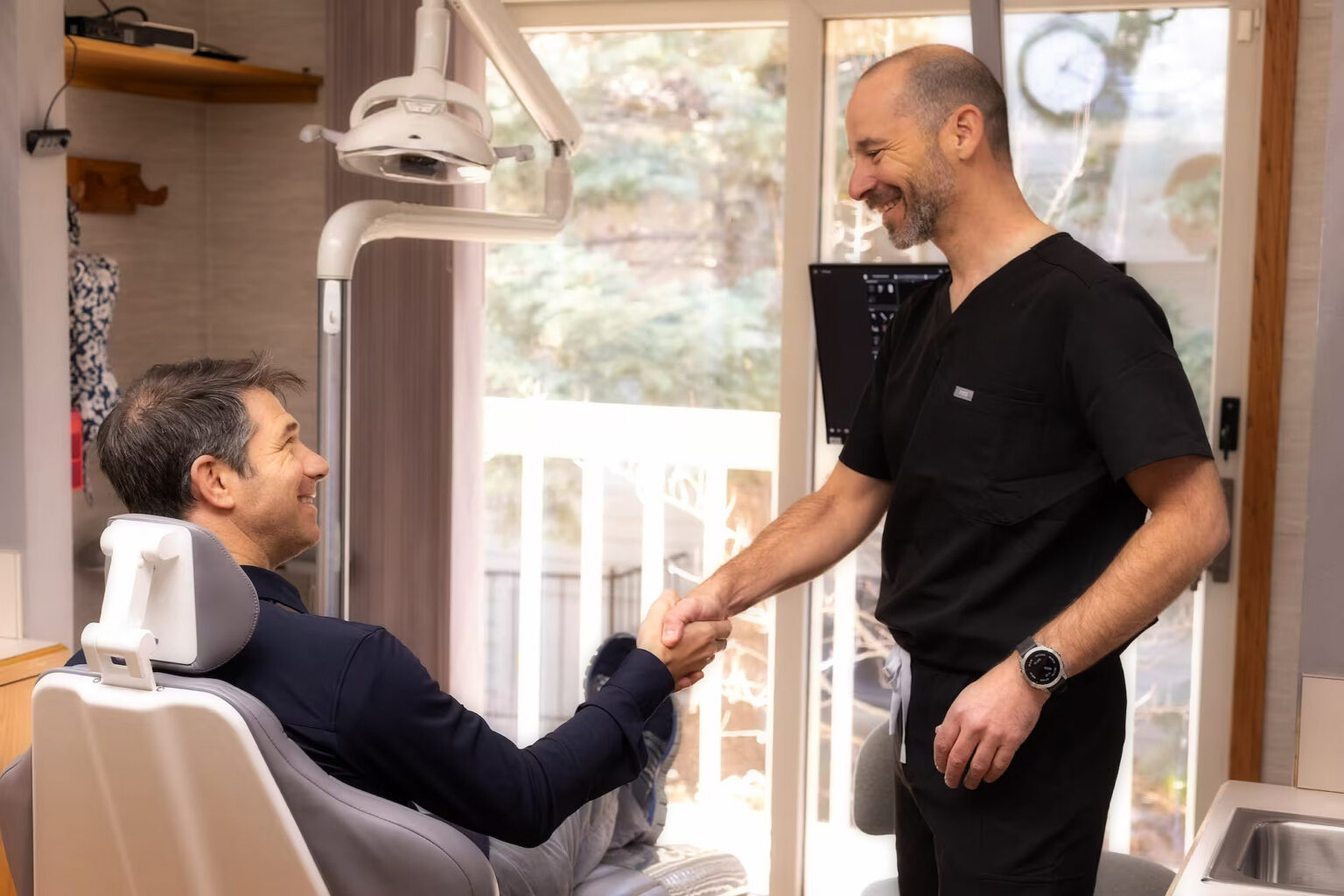
Most people do not wake up excited for a dental appointment. They book a visit because they have to, because a reminder card showed up, or because something has started to hurt. That last reason is exactly where problems begin. By the time pain drives someone into the chair, a simple issue often is no longer simple.
Preventive dental care tends to look quiet from the outside. A cleaning, an exam, a few X-rays at the right interval, a conversation about bleeding gums or sensitivity, perhaps a small adjustment in home care. None of that feels dramatic. Yet those ordinary visits are where the most valuable work happens. A good General Dentist is not just polishing teeth. They are tracking change over time, spotting early warning signs, and intervening when the treatment is still conservative, affordable, and easier on the patient.
That matters more than many people realize. Teeth do not heal the way skin does. Enamel does not grow back. Bone lost to advanced gum disease does not simply return because someone started brushing better. Dental problems tend to progress in one direction unless they are caught and managed early. Preventive visits change the timing, and in dentistry, timing often determines everything.
Small problems stay small only if someone finds them
One of the most common misunderstandings in oral health is the belief that no pain means no problem. In day to day practice, that idea causes a surprising amount of damage. Early cavities rarely hurt. Mild gum disease often causes little more than occasional bleeding during brushing, which many people dismiss. Hairline cracks, failing fillings, enamel wear from grinding, and small bite issues can all develop quietly.
A routine preventive appointment gives a General Dentist the chance to find those changes before they become obvious to the patient. That sounds basic, but it is where a great deal of dentistry earns its value. A cavity caught at an early stage may need a small filling, or in some cases may be managed with fluoride, diet changes, and close monitoring. The same area left unchecked can become a deep cavity that reaches the nerve, leading to a root canal, a crown, or even an extraction.
The same pattern shows up with gum health. Gingivitis is often reversible with professional cleaning and better home care. Periodontitis is different. Once the supporting structures around teeth begin to break down, treatment gets more involved and the long term maintenance burden rises. Patients are often surprised to learn that the issue they thought was “just a little bleeding” has been active for months or years.
There is also a practical side to early detection that patients appreciate once they have lived through both scenarios. A forty minute visit for a preventive exam and cleaning is disruptive, but manageable. An emergency appointment for swelling, severe pain, or a broken tooth is a different kind of day. It can mean missed work, child care changes, antibiotics, pain medication, and treatment decisions made under stress.
Prevention is not just about cavities
When people think of dental checkups, they usually think about decay. That is only part of the picture. A preventive visit allows a General Dentist to evaluate the whole oral environment, including the gums, tongue, cheeks, bite, jaw joints, and signs of habits that may be damaging the teeth.
A patient who clenches or grinds at night may present with worn edges, tiny fractures, jaw soreness, or headaches. Someone with acid reflux may show a pattern of enamel erosion on the inside surfaces of the teeth. Dry mouth from medications can raise cavity risk dramatically, especially in older adults or people taking several prescriptions. Tobacco use, alcohol exposure, or chronic irritation from a broken tooth can create tissue changes that deserve a closer look.
This wider lens is one reason preventive visits matter even for people who are convinced they “never get cavities.” A healthy mouth is more than a set of teeth without holes in them. It is comfortable, functional, stable, and free from disease. It allows someone to chew properly, speak clearly, sleep without jaw pain, and smile without worrying about appearance or odor.
General dentists also watch for changes that are subtle only because they develop slowly. A bite can shift. A filling can start leaking. A wisdom tooth can create a food trap that did not exist two years ago. A gum line can recede enough to expose root surfaces that are far more vulnerable to sensitivity and decay than enamel. Patients often adapt to these changes so gradually that they do not notice them. Regular visits create comparison points. That longitudinal view is one of the strongest tools in preventive care.
The financial argument is stronger than most people think
People sometimes skip preventive appointments to save money. On General Dentist paper, that decision can look rational for a while. If nothing hurts and the budget is tight, delaying care may seem harmless. In real life, it often becomes one of the more expensive choices a person can make.
A routine exam and cleaning are predictable expenses. Restorative treatment is not. Once decay advances, costs rise in layers. A filling costs less than a crown. A crown often costs less than a root canal plus a crown. Replacing a tooth with a bridge, partial denture, or implant can cost several times more than preserving it early. The exact fees vary by region and practice, but the pattern is consistent nearly everywhere.
There is another cost that does not always show up on an invoice. Larger procedures usually require more visits, more local anesthetic, more time off work, and a longer recovery. For parents, caregivers, and people paid hourly, that matters. Even when insurance covers part of the treatment, the indirect costs can be significant.
Preventive care also helps avoid the kind of rushed decision making that leads to regret. A patient who comes in with severe pain before a holiday weekend may have fewer options available in that moment. When treatment is planned rather than urgent, the dentist and patient can discuss materials, sequencing, budget, and long term goals with much more clarity.
What a preventive visit actually accomplishes
From the patient side, a routine appointment may feel repetitive. You answer health history questions, have X-rays as needed, get your teeth cleaned, and hear familiar advice about brushing and flossing. Behind that routine, however, several important things are happening at once.
The hygienist or dentist is checking for plaque and tartar patterns that reveal where home care is missing the mark. They are looking at inflammation levels in the gums and measuring pocket depths when indicated. They are comparing current findings to past records. They are noting wear, recession, mobility, broken restorations, and tissue changes. They are also reviewing medical updates because conditions like diabetes, autoimmune disease, pregnancy, cancer treatment, and certain medications can change oral risk substantially.
A strong preventive appointment is also educational, but in a specific, personalized way. Generic instructions rarely change behavior. Useful guidance is tied to what is actually happening in that patient’s mouth. Someone with crowded lower front teeth may need a different cleaning strategy than someone with bridges or implants. A teenager with early decalcification around orthodontic brackets needs a different conversation than an adult with recession and root sensitivity. This is where an experienced General Dentist and dental team can make advice practical rather than abstract.
The best preventive care is not scolding. It is pattern recognition plus coaching. It meets people where they are, whether they are meticulous brushers, inconsistent flossers, anxious patients who have avoided care for years, or older adults managing dexterity issues. That human part of prevention matters because even the soundest recommendations fail if they are unrealistic.
Gum disease often advances quietly
If there is one area where preventive visits consistently prove their worth, it is periodontal health. Gum disease is common, often painless in the early and middle stages, and easy to underestimate. Patients may notice bleeding, bad breath, or tenderness, but just as often they notice nothing at all.
The danger is not cosmetic alone. The gums and bone support the teeth. Once that support starts to diminish, teeth can loosen, spacing can change, and chewing can become less stable. Treatment may then involve deep cleanings, more frequent maintenance, and in some cases referral to a periodontist.
Preventive visits allow a General Dentist to catch inflammation before structural damage becomes severe. They also create accountability around follow through. It is one thing to know you should improve flossing. It is another to return in six months and compare gum scores, bleeding points, or pocket measurements. Objective tracking tends to motivate people far better than vague warnings.
Patients with diabetes deserve special mention here because the relationship works both ways. Poor blood sugar control can worsen gum disease, and active periodontal inflammation can make diabetes harder to manage. This does not mean every patient with diabetes will have severe gum problems, but it does mean preventive dental care carries added weight for them.
Children, adults, and older patients all benefit for different reasons
Prevention is not a one size fits all concept. The value changes with age, even though the core principle stays the same.
For children, preventive visits build familiarity before treatment is needed. That alone can shape attitudes for years. A child who knows the office through routine cleanings and friendly exams is less likely to associate dentistry only with discomfort. Dentists can also monitor eruption patterns, bite development, home habits, and early decay risk. Small interventions at this stage, including sealants or fluoride when appropriate, can make a measurable difference.
Adults often reach the point where prevention intersects with accumulated wear. Old fillings begin to age. Stress grinding shows up on teeth and jaw muscles. Diet, pregnancy, medications, and chronic health conditions start influencing oral health more visibly. For many adults, preventive care is less about avoiding a first cavity and more about preserving work that has already been done.
Older adults face another set of challenges. Recession can expose roots. Dry mouth becomes more common, often because of medications. Existing crowns, bridges, implants, and partial dentures require careful monitoring. Dexterity may decline, making oral hygiene more difficult even for people with strong habits. Preventive visits help adapt care to those realities before they create a cascade of avoidable issues.
Dental anxiety often improves with routine care, not despite it
Many people avoid the dentist because they are anxious, embarrassed, or carrying a bad memory from years ago. It is a real barrier, and dismissing it never helps. What often surprises anxious patients is that regular preventive care usually makes appointments easier over time.
Part of that is clinical. Shorter, simpler visits are less intimidating than major treatment. Part of it is psychological. Familiarity lowers stress. So does trust. When patients see the same General Dentist and team for routine care, they learn what to expect, what sensations are normal, and how concerns will be handled.
There is also less shame involved when patients are not coming in only after a long gap and a painful problem. Many adults delay care because they dread being judged for the state of their mouth. A professional office should not work that way, but patients often fear it anyway. Regular preventive visits shift the relationship from crisis management to ongoing care. That change alone can be enough to break a cycle of avoidance.
For highly anxious patients, a preventive plan can be adjusted. That may mean more frequent but shorter visits, extra time for explanation, topical anesthetic before cleanings, or simply a slower pace. None of those accommodations is unusual. They are part of good care.
Prevention supports appearance as much as health
Oral health and appearance are not separate categories in most patients’ lives. People notice stains, worn edges, chipped fillings, gum recession, and plaque buildup long before they learn the clinical terms for them. Preventive visits help manage those issues in a way that is realistic and medically sound.
A cleaning can remove surface stain and tartar that no toothbrush will lift at home. An exam can catch subtle chipping before it becomes a visible fracture. Monitoring can prevent a front tooth filling from failing at an inconvenient moment. Even discussions about whitening or cosmetic improvements are better grounded when the mouth is healthy and stable first.
This matters because cosmetic goals sometimes reveal underlying problems. A patient asking about whitening may actually have sensitivity from recession. Someone concerned about one tooth looking shorter may be grinding and wearing down several teeth unevenly. A General Dentist can place appearance concerns in context and help patients prioritize what truly needs attention.
How often should preventive visits happen?
The standard six month interval is common for good reason, but it is not a universal law. Some patients do well at six month intervals for years. Others need more frequent maintenance because of gum disease history, heavy tartar buildup, high cavity risk, dry mouth, orthodontic appliances, or medical conditions that raise oral risk. A few low risk patients may be candidates for longer intervals, depending on their history and the dentist’s judgment.
That individualized approach is another reason to see a General Dentist regularly rather than treating dental care as an occasional errand. Frequency should be based on current findings, past disease patterns, and the patient’s ability to maintain health between visits. It is less about a calendar rule and more about risk management.
A sensible preventive conversation usually covers a few key questions:
- Are there any early signs of decay, wear, gum inflammation, or restoration breakdown?
- Has the patient’s medical history, medication list, or daily routine changed risk?
- Is home care effective for this specific mouth, not just in theory?
- Would a shorter recall interval help prevent recurring problems?
- Are there habits or symptoms, such as grinding or dry mouth, that need attention now?
Those questions General Dentist are simple, but they shape the difference between passive checkups and active prevention.
The home care piece still matters, but it is not the whole story
Some patients assume that excellent brushing and flossing should allow them to skip professional care. Good home habits are essential, but they do not replace preventive visits. Even diligent patients miss areas, especially around crowded teeth, old dental work, or the gumline. Tartar cannot be brushed off once it hardens. And many of the most important findings in dentistry, including bone changes, recurrent decay under restorations, or tissue abnormalities, are not something a patient can reliably identify at home.
That said, preventive visits work best when the patient and dental team do their parts together. A professional cleaning cannot compensate indefinitely for neglected daily care. Nor can perfect brushing fully offset untreated dry mouth, a sugary sipping habit, or significant grinding. Oral health is cumulative. Small daily choices and periodic professional care reinforce each other.
One of the more useful things a General Dentist can do is help patients focus on the one or two changes that will produce the biggest benefit. For one person that may be switching from sporadic flossing to a daily interdental cleaner. For another it may be addressing a constant sports drink habit, wearing a night guard, or using prescription fluoride because of root exposure. Preventive care becomes much more effective when recommendations are targeted rather than overwhelming.
What patients often say after getting back on track
People who return to regular dental care after a long gap often describe the same realization: they expected lectures, major treatment, or bad news, and instead they found a manageable plan. Sometimes the news is not ideal. There may be a few fillings, gum therapy, or overdue crown work. Even then, patients usually feel relief once the uncertainty is gone and a path forward exists.
Just as important, they begin to notice the benefits that are easy to overlook when everything is stable. Their mouth feels cleaner. Their gums stop bleeding. Sensitivity decreases. They chew more comfortably. They stop worrying that every twinge means an emergency is coming. The payoff is not only medical. It is practical and psychological.
That is the quiet strength of preventive dentistry. It does not always produce dramatic before and after moments. More often, it prevents the moment no one wants, the weekend toothache, the broken molar during dinner, the expensive treatment that started as a tiny shadow on an X-ray two years earlier.
A General Dentist sees that pattern every week. The patients who stay connected to preventive care usually spend less time in crisis and more time maintaining what they have. Their treatment tends to be smaller, more planned, and easier to recover from. Their oral health is not perfect every single year, because life happens, but it is far more predictable.
That predictability is worth a great deal. It protects teeth, yes, but it also protects time, comfort, confidence, and options. Preventive visits matter because they keep ordinary problems from becoming defining ones. For most patients, that is the difference between managing oral health and chasing it.
Aspenwood Dental Associates and Colorado Dental Implant Center
2900 S Peoria St Ste C, Aurora, CO 80014, United States
+1 303-731-4037
FAQ About General Dentist
How long do teeth fillings last in Aurora, CO?
Fillings can last for years, but they are not lifetime restorations. Their durability depends on the material, the size and location of the filling, chewing forces, and oral hygiene. A general dentist can examine a filling for wear, damage, or new decay and explain whether monitoring, repair, or replacement is appropriate. Age alone does not establish that a filling needs replacement.
How Can I Reduce Dental Anxiety?
Tell the dental team about your concerns when booking and again at your visit. Ask for an explanation of each step, agree on a signal for breaks, and consider slow breathing or headphones if the practice permits them. Discuss pain control and any sedation options with the dentist; suitability depends on your health, medicines, and planned treatment.
When should your child first see a dentist in Aurora?
Arrange the first dental visit within six months after the first tooth appears and no later than the first birthday. Early visits allow the dentist to assess development and discuss brushing, fluoride, feeding habits, and cavity prevention. Ask the practice whether it sees infants and how it handles referrals when a child needs specialist care.